Posts Tagged ‘WHRC’

Top 5 Things Found at every College Radio Station

I LOVE college radio and have been a DJ at four different stations over the years (and I also went through DJ training at a 5th station). In addition to that, in the past two years I’ve visited 20 radio stations all over the country. When doing my tours, I’m often struck by the artifacts that I see in every single station. These are often the things that make college radio feel like college radio, from the dirty carpets to the musty record library to the posters and stickers plastered on every square inch of wall and cabinet space.

So, with that, here’s my list of the top five things that every college radio station MUST have:

Hanging Records at WVFI

1. Record Art:

My favorite example is the 7″ vinyl-decorated hallway at WVFI at University of Notre Dame. The DJs there promised me that the station owned duplicate copies of all of the records used in this art project.

I’ve also seen melted records hanging from ceilings and funky retro albums tacked to walls.

Sticker Cabinet at KUSF

2. Sticker-plastered metal cabinet:

If you go to any college station and check out the spaces occupied by the music directors, no doubt you will find metal cabinets covered with every sticker imaginable.

Many are band stickers that have either come with the promotional CDs and records that get sent to stations or have been brought to the station by visiting musicians. I also keep an eye out for stickers from other college stations, as they often can be found amid the collage as well.

3. Funky old couch:

Every college radio station needs a hand-me-down couch for DJs to lounge and sleep on. At my current station there’s been a series of couches since I’ve been there.

Couch at WHRC

Some were rumored to be soaked with cat pee and others were more glamorous cast-offs from someone’s parents.

When I visited college station Flirt FM in Ireland this past summer, I was warned about their couch as they joked that it was probably infested with swine flu. (more…)


Radio’s Murder of Music

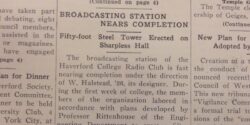
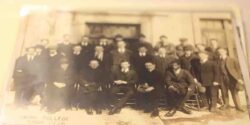
I’m on a quest to document the early history of my college radio station WHRC, which began in the 1920s as a Haverford College Radio Club station known as WABQ. As I was doing a quick search for material today, I found a goldmine of vintage radio information on David Gleason’s website. For one thing, he’s painstakingly scanned old radio magazines like Broadcasting Magazine and Broadcasting Yearbook, as well as old radio guides listing radio stations of the day. The Haverford College station WABQ appears in some of these lists, going as far back as 1924. And, interesting to me, there are plenty of other college stations listed during this era as well.

But the thing that was really fun to find is from the October 15, 1935 issue of Broadcasting. In an editorial called “Murder of Music,” publisher Martin Codel writes about an “ASCAP…propaganda campaign against broadcasting.” Wow. Sounds like 2009! Here’s more text from the editorial:

“In a publicity release issued this month, ASCAP asserts that ‘murder of music’ by radio was accomplished last year when the 85 leading tunes of the year were played 1,255,669 times by the two principal networks. About two years ago ASCAP issued a propaganda blast titled Murder of Music in which it set out to prove that radio had killed sheet music, phonograph record and other musical instrument sales.”

The editorial goes on to point out that ASCAP is arguing that radio should pay up in order to make up for the loss of sheet music sales. And, it also brings up the age-old practice of pay for play:

“ASCAP does not recite in its handout the well known fact that radio tends to popularize the works of composers. Moreover, it does not bring out that composers and publishing houses are constantly plaguing the networks, stations and performers to ‘plug’ their numbers. Innumerable cases of bribery of orchestra leaders and performers have been exposed.”

The more things change, the more they stay the same.


Is Twitter the New College Radio?

When I was a kid in the 1970s my parents would try to pry me away from the television, warning me that it was going to “rot my brain.” Yet, my dad also admitted to me that his parents made the same pronouncements to him about the dangers of listening to too much radio. Each generation seems to fear the latest technology and it’s almost cliched when parents demonize TV, video games, the Internet, Facebook, Twitter, and texting, when in fact these are all just new ways to communicate the same old stories, news, and entertainment.

I’ve been thinking a lot lately about how Twitter and Facebook are the new “radio” for the younger generation. It’s almost hard to believe that way back when we got our breaking news from the radio because today radio is often overlooked as a news source.

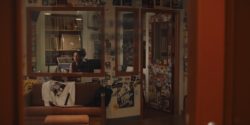
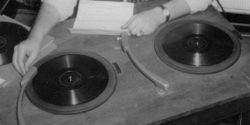
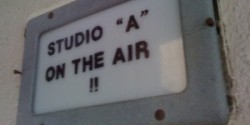
WHRC Studio 1987

WHRC Studio 1987

A few weeks ago I was at my college reunion and revisited the campus radio station WHRC. During my visit I talked to a lot of people about the station and the role that it played on campus in the 1980s. Everyone had bits and pieces of nostalgia to pass along, but what really amazed me was that several people had distinct memories of first hearing about the Challenger disaster in 1986 while listening to WHRC. At the time the campus-only station was piped in to the dining center and, in fact, the main WHRC audience was during meal times. So all of the people who I talked to were probably eating lunch in the dining center when they heard the news together about this tragedy.

Similarly, when Kurt Cobain died in 1994 (another defining tragic moment for my generation), the first people to mention it around my office had heard the news over the radio. However, this was also the first time that I remember hearing that the Internet was actually breaking news, as it was buzzing over word of Cobain’s death. This was during the early days of the Internet (I’m not even sure if we had email at my office yet), when those participating in online communities like The Well were trailblazing true hipster geeks. I’m pretty sure it was my friend’s sister who worked at Wired (a hip magazine about technology? Crazy!) who was getting some of these early reports on Cobain and passing the news along to those of us in technologically-deprived offices. (more…)